Hey Babes!
I hope you are well and the transition into Autumn is as soft as it can be.
The clocks have officially gone back, the leaves are falling, and the days become dark by 5 pm. The season change feels like a call to shift gears. Reflect, rest more. Release and restore. Whatever that looks like. I hope you can find moments of stillness amidst the busyness of the world we live in.
This has been an EXCITING summer for the babes! We held numerous events online and in person, with 2-5 events a week. This included new activities like our first intergenerational trip to Kew Gardens with parents, grandparents and children from the community coming together to be in nature. We sang, shared ice-cream (thank you, Mama Lucy!), laughed, took off our shoes, and got our hands dirty. One of my favourite parts was looking around and witnessing 3 generations of families existing together. The children playing, the grandparents watching, the babes doing up Auntie duties, and the parents having a moment to be in community with their motherhood role intact. It made me deeply appreciate the power of community and how easeful it can be. How enriching it is to simply commune intergenerationally. Since then, I have been pondering on what it means to be in community in theory and practice.
Community in Practice
As a Pan-african, Womanist (Black Feminist) and Nigerian-Igbo, collectivist principles are central to my philosophies. They have been a cornerstone of how we organise as a community. Ubuntu (I am because we are) is rooted in our membership model, our decision-making process and contributed to the capacity-first principle I introduced to our team in 2024.
Beyond principles and intentions, I am learning that community also takes work. Community is beautiful; it is a resource, and within that, it can also be hard. Being in community with shared values and hopes does not mean you will always agree. It does not protect us from conflict or even harm. You can be in the same space with hopes of safety, connection and growth, but what that means to you might clash with what it means to another. There is a range of tolerance essential for being in community. Specifically, when people are showing up honestly and authentically. If we hold and hide parts of ourselves, harmony can be easily achieved on the surface. The conflict resides inside the individual who is silencing themselves and their needs. If we all show up with all we have, years of experiences both empowering and painful, we are bound to clash and disagree.
I am learning that conflict is a necessary part of curating safety in shared spaces. Being able to disagree safely means the moments we agree are rooted in truth and deeper appreciation. It isn’t always easy. Our range of tolerance will vary depending on our principles, lived experience and dispositions. There are sacrifices that may be needed, and this question lies: ‘What am I able to compromise for the benefit of being in community?’ Some things are non-negotiable; others are grey. Conflict gives us a mirror to answer these questions honestly.
I hope the conflict you experience becomes a vehicle for clarity and connection. I hope it brings you closer to the spaces and people that allow you to feel safe enough, even if there is compromise en route.
I wish you well until we speak again.
Lots of love
Vivienne x
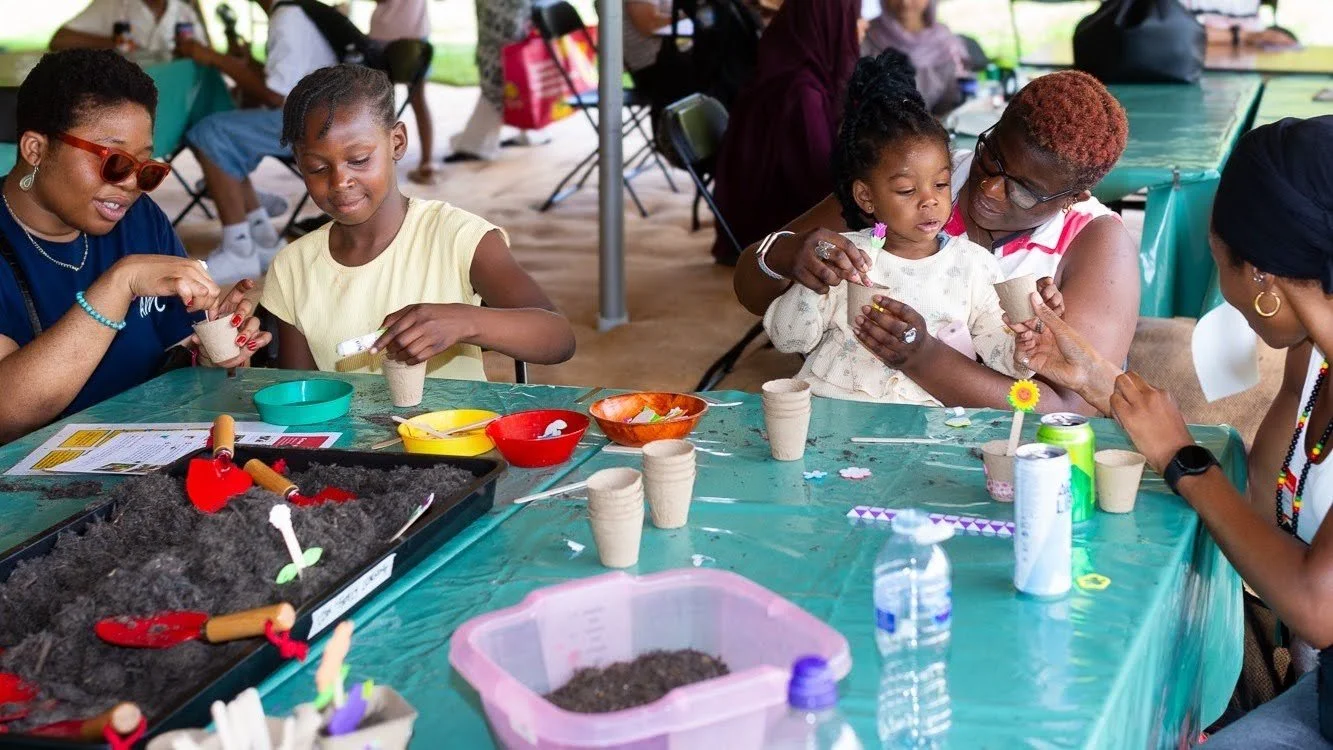
Kew Gardens, 2026
Credits during reflections:
https://www.instagram.com/nikeaurea?xtok=MWFnM3NsbmRhaTl4eg%3D%3D
https://www.instagram.com/christabelmintahnwankwo?cplk=MWp0cWZlaXkxZTZ4bA%3D%3D
Support Jamaica - https://www.gofundme.com/f/CaribbeanHurricaneFund
Support Haiti - https://give.hopeforhaiti.com/campaign/739906/donate?c_src=hurricane-melissa
Free Haiti - https://hopeforhaiti.com/
Free Congo - Tiktok & link to the petition
Free Palestine
- https://palestinecampaign.org/
- https://bdsmovement.net/Guide-to-BDS-Boycott
Free Sudan - Thread of ways to support
Suggestions of ways to support numerous causes, including Hawaii, Lebanon & Yemen
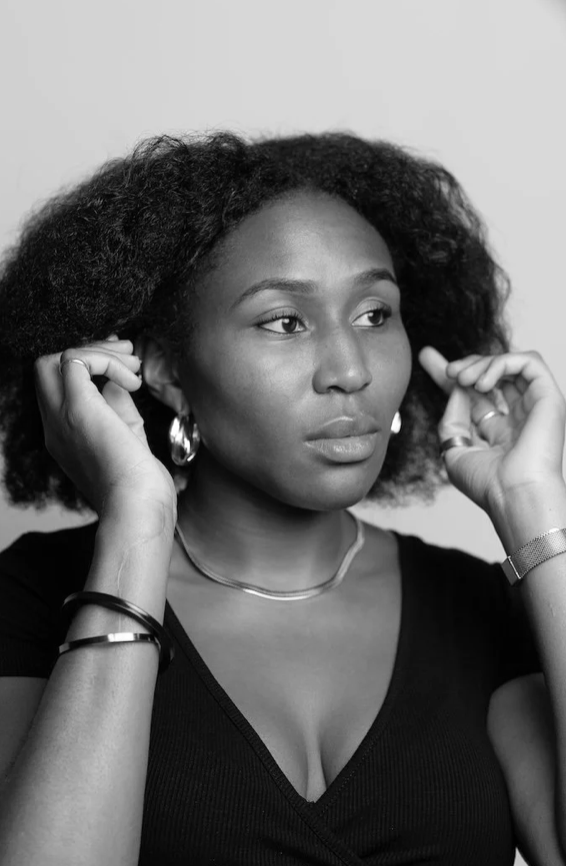
About Vivienne
Vivienne Isebor is a Creative Social Entrepreneur & Womanist, blending community activism, advocacy, psychology, and the arts to drive social change. She is the founder of ADHD Babes, the UK’s only community organisation dedicated to supporting Black women and non-binary people with ADHD, and a qualified Clinical Associate in Psychology from UCL. Beyond her advocacy and psychological work, Vivienne is a combined performing artist, incorporating storytelling, music, poetry, spoken word, and performance to create immersive, community-driven experiences.